

Filing bankruptcy because of the coronavirus
 Over the last month, over 22 million Americans filed for unemployment because of the shelter in place orders that have been put in place to slow the spread of the novel coronavirus. Many small businesses have been absolutely crushed by the forced closure, and those that were able to pivot and provide modified services are still hurting due to the drastically reduced demand. If people aren’t leaving their homes, they’re simply not buying.
The number of jobless Americans is expected to continue to grow at an exponential rate. A research paper released in late March by the St. Louis Federal Reserve estimated that we could hit an unemployment rate as high as 32% – that’s about 47 million Americans.
That’s an almost mind-boggling number of people who won’t be able to pay their mortgage, rent, or other bills – let alone buy groceries and other essentials. It’s been estimated that over half of Americans have already lost some income due to the lockdown.
Federal, state, and local governments are working hard to provide financial safety nets – the Payroll Protection Program was rolled out and quickly depleted. Mortgage lenders and automotive finance companies are deferring payments, and if you meet the requirements, you’ll receive a federal stimulus check. Unfortunately, for the millions out of work, the government stimulus check simply won’t be enough to keep them afloat.
What should you do if you’ve been laid off?
Your first step should be looking at your budget. Figure out what you can do to save money immediately. Talk to your creditors, most will try to assist you if you’ve been laid off during the pandemic. Most mortgage, car, and credit card payments can be deferred. Student loans can be deferred as well. Many cities across the country have prohibited utility shut-offs – but skipping utility bills could lead to massive debt later down the road.
Once you’ve spoken to your creditors, you’ll have a better picture of your financial obligations. If you’ve got enough in savings, that might be enough to get you through the lockdown – but you’ll need to pay attention to how much you need to spend on essentials. You might be able to last longer by deferring non-essential bills and paying your minimum amount on others.
If you’re already at the point where the money has run out, or will run out in the near future, give us a call at 214-760-7777 – we’re happy to talk through your financial picture and let you know what your options are. It’s a free, no-pressure consultation – we’re not going to force you to file for bankruptcy, and in fact, might advise against it if there are better options on the table.
What will COVID bankruptcy look like?
If bankruptcy is inevitable, you’ll end up filing for either Chapter 7 or Chapter 13.
Chapter 7 bankruptcy allows you to wipe out your debts permanently, with no obligation to ever pay them back. Chapter 7 is best for individuals who aren’t able to pay back a significant portion (or all) of their debt. Typically, this is best when there’s a massive amount of credit card debt or a huge medical debt.
Chapter 13 bankruptcy is more of a reorganization of your debts. If you’ve got a regular income stream and have simply fallen behind, Chapter 13 is a better option. A plan is created to repay all (or most) of your debt with installment payments.
For both types of bankruptcy, you’d typically have to meet with an attorney and then go to court to get a judge to approve your case. During the COVID lockdown, everything can be done online. We can do everything over the phone or through virtual meetings, and the courts are allowing cases to be filed virutally so social distancing can still be observed.
If you’ve lost your job or been furloughed due to the coronavirus and you’re falling behind on bills, call us at 214-760-7777 – we’re here to help! Even if bankruptcy isn’t right for your situation, we’ll help point you in the right direction to help with your finances and plan for your future.
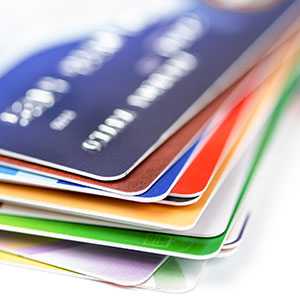 Many of our bankruptcy clients come to us with completely out of control credit card debt – but that doesn’t mean they’ve been completely irresponsible. Thanks to higher interest rates and compounding interest, just a few missed payments can put you past a point where it’s nearly impossible to catch up.
 Most Americans don’t know much about bankruptcy – they’re limited to the knowledge they get from news stories and online gossip columns. Bankruptcy is much more common that most people realize, with over a million people filing for bankruptcy every year.
 Are you a good, honest, hard worker who’s fallen on tough times? It doesn’t take much for most Americans – an unexpected major accident, the sudden loss of a job, a major home repair… Any unexpected major expense can start the downward spiral into uncontrollable debt.
 Filing bankruptcy doesn’t mean you’re a bad person. Not at all, in fact. Most of the time, it just means you got stuck in a bad debt situation.
 It’s that time of year… Holiday shopping is stressful for everyone, but it’s especially tough for families that are already struggling with overwhelming debt. You don’t have to spend a fortune to have a happy holiday season! Follow these tips and you’ll reign in the spending and skip the spending stress.
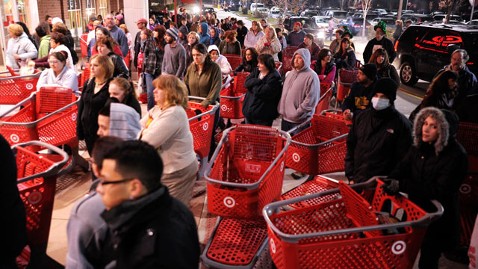 It’s Thanksgiving week… which means we’re just a few days away from Black Friday. Sure, you can get some great deals on some of those items you have planned for Christmas – but it’s also one of the biggest factors contributing to the debt load of many American families.