Call us today for a FREE debt consultation: 214-760-7777

5 Tips for Saving Money on Summer Vacation

5 tips for saving money on summer vacationSchool’s out for summer, and that means most American families will be hitting the road for a summer vacation. Whether you’re heading across the country or hitting a local resort, a summer vacation can become an extremely expensive trip. Many Americans decide to charge the entire trip to their credit cards, and any big additions to debt can lead to a downward spiral.

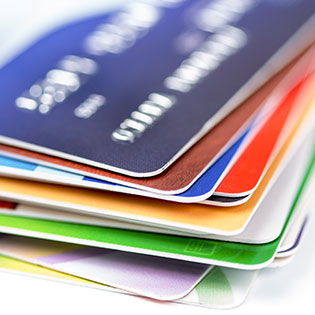
Avoiding overwhelming debt is the most important step in preventing bankruptcy. Follow these simple tips to help reduce the financial strain of your summer vacation this year, and your bank account will thank you for it.

1. Opt for a staycation

If you go the staycation route, you’ll save tons of money on travel and lodging. You’ll sleep in your own comfortable bed, and you can use all the money you saved on travel on more extravagant activities. Be a tourist in your own city – try out the amazing restaurants and go see the sights.

2. Do lots of pre-vacation activity research

If you’re visiting a destination that you’ve never seen before, spend some time online checking things out before you get there. Check out travel blogs, area websites, and review sites to see what other vacationers have done in the area. See what others have enjoyed, and find those hidden gems you would never have found on your own. Since you’ll have your trip planned out in advance, it’s easier to stick to a budget.

3. Do lots of pre-vacation lodging research

Sites like VRBO.com let you rent a vacation home directly from the owner, cutting out any extra amount that would be included if a middleman were part of the process. Again, check out review sites and travel blogs. There are always amazing options that might be a bit off the beaten path. You’ll save money and stay at a nicer hotel.

4. Find lodging early and get a discount

If you’re just now planning a trip, it might be harder to find cheap accommodations. Your best bet is to check Airbnb. Most of the time, you’ll find a great place to stay that’s significantly cheaper than area hotels. Many times, if you’re booking multiple nights, you can get a discount on the standard rate. Make sure you ask your host if a multi-night discount is a possibility.

5. Make sure you pack everything

Remember to pack all of your toiletries and appropriate clothing for the climate you’re visiting. If you get to the beach resort and realize you left your swimsuit and sun block at home, your wallet isn’t going to like the exorbitant prices that you’ll pay at the hotel.

By |2015-06-25T16:02:26-05:00June 25th, 2015|Money Management, Personal Finance|

5 Money Tips for Newlyweds

5 Money Tips for Newlywed Couples

Establishing responsible spending habits early in life is one of the key factors in avoiding debt and bankruptcy later in life. The earlier you start forming these habits, the better off you’ll be. One of the most difficult financial periods for most Americans happens early on in marriage.

Combining two bank accounts, spending habits, and lifestyles can often lead to disagreements and fights about money for many newlywed couples. In many cases, newlyweds tend to overspend and build up a significant amount of debt – many times, simply because they haven’t taken the time for financial planning.

If you’ve recently tied the knot, or if your wedding is fast approaching, these 5 tips will help you and your significant other create a solid financial plan and form responsible spending habits.

(more…)

By |2015-05-16T14:38:53-05:00May 16th, 2015|Money Management, Personal Finance|

How Will Bankruptcy Affect Your Income Tax Refund?

The most common question we hear at this time of year is “What will happen to my Income Tax Refund if I file bankruptcy?”

IF you’re filing for Chapter 7, it’s likely that your refund will be protected, as it’s considered an asset. IF you’re filing during tax season, your attorney can work with you to be sure you’re maximizing your refund. Many times, we encourage clients to file when they get their refund, as this extra money can be put towards the cost of your case.

(more…)

By |2015-03-26T14:19:09-05:00March 26th, 2015|Bankruptcy, Debt, Money Management, Videos|

5 Tips to Improve Your Credit After Bankruptcy

rebuilding your credit after bankruptcyMany of our clients are curious about what happens to their credit scores after they file for bankruptcy. In many cases, their scores have already decreased pretty drastically, since their financial hardship made it difficult or impossible to make monthly payments.

Most people think that filing for bankruptcy will destroy their credit indefinitely, but it’s actually not that difficult to repair your credit after filing. As long as you keep your goal in mind and stick to your plan, you’ll be able to rebuild your credit.

A bankruptcy can remain on your credit report for up to 10 years, so it’s important to follow these steps to start building your credit after bankruptcy:

1. Start with your credit report

You won’t know where you’re going if you don’t know where you are. Get a copy of your credit report so you fully understand your current score. You can get a free copy of your credit report every year from the big players (Equifax, Experian, and TransUnion) at the annualcreditreport.com website. Make sure you check for any errors. (more…)

By |2014-05-15T11:04:20-05:00May 15th, 2014|Bankruptcy, Money Management|

Have Money Management Habits You Can Be Proud Of

Bad habits aren’t things that we’re proud of. The good thing about bad habits, though, is that we can break them. It takes discipline, motivation and commitment, but we can break bad habits.

Changing Money Management Habits

If you have some questionable money management habits, then the first thing you need to do is identify them.

Next, you must write them down. Committing these to paper does a few things. It creates a record of where you started, shows that you’re serious about altering your behavior, and adds accountability to your project to change.

Here’s an example list of poor habits that need to be changed:

My Poor Money Management Habits

  • I rarely save money.
  • I splurge and spend money on things that I don’t necessarily need.
  • I often pay bills after the due date.

(more…)

By |2012-04-18T10:29:35-05:00April 18th, 2012|Money Management, Personal Finance, Saving Money|
Go to Top